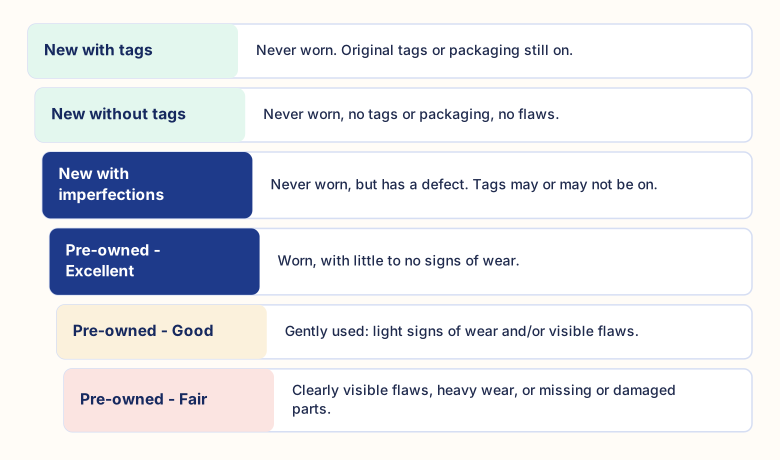
The six grades
The condition options on the listing form depend on the category, and picking the right one is part of eBay's selling practices policy.[1] In 2025 eBay split the single Pre-owned grade for clothing into Excellent, Good and Fair.[2]
Old listings were moved to Good
When the change took effect, existing Pre-owned clothing listings were set to Pre-owned - Good automatically. eBay recommends moving items that are really Fair, to avoid not-as-described returns.[2]
Write the condition description
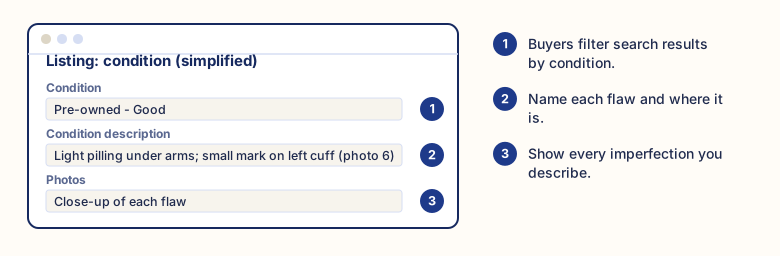
eBay's developer guide puts extra condition detail in a separate condition description, up to 1000 characters, rather than in the main description.[3] For brand-new conditions, that field is ignored.[3]
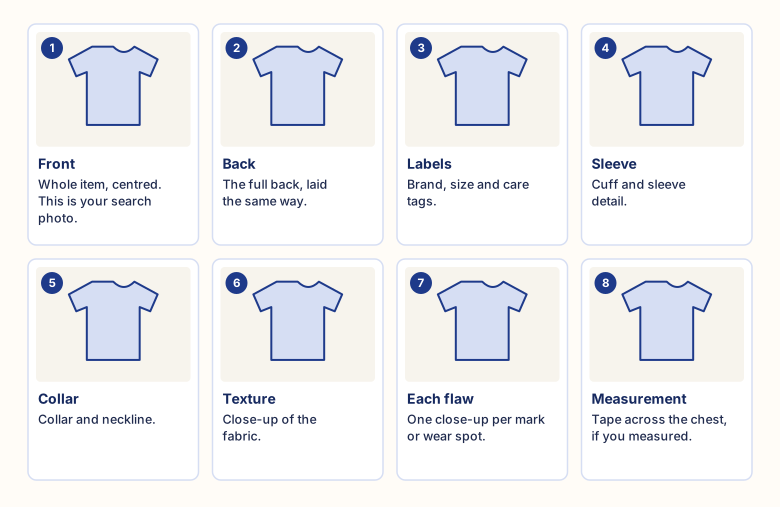
eBay notes that buyers may read the same condition name differently from one category to another.[3] Naming each flaw and its place removes the guesswork. Good flaw photos matter too; see how many photos to use.[1]
Why the grade matters
Buyers often narrow searches by condition, and an inaccurate grade can be filtered out of those searches.[3][2] eBay also warns it can lead to more returns and negative feedback, which can affect your seller standards.[2]
Under the eBay Money Back Guarantee, a buyer can open a claim up to 30 days after delivery, or within your return window if that is longer.[4] Sellers must deliver the item as described in the listing.[4]
Shoes use different names
eBay's help page still lists New with defects for shoes, where clothing now says New with imperfections.[1] New shoes with no signs of wear that have lost their box count as New without box.[1]
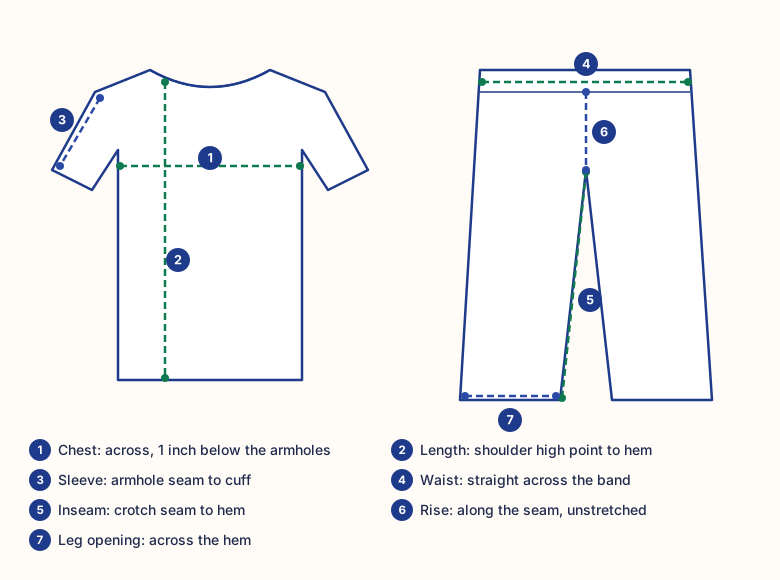
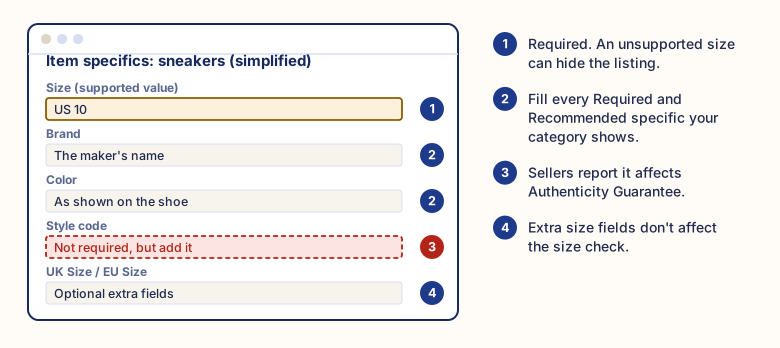
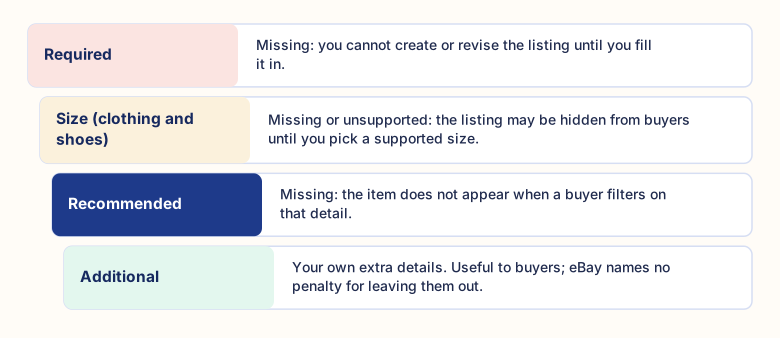
For the details shoe buyers filter on, see item specifics for shoes. For measuring garments, see how to measure clothing.
Before you choose a grade
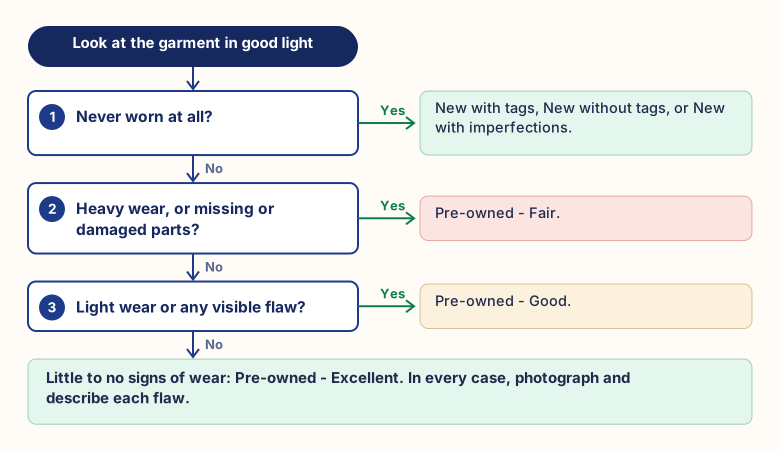
- Check the garment in good light, inside and out, for every flaw.[1]
- Worn at all? Pick Excellent, Good or Fair by how much wear shows.[2]
- Name each flaw and where it is in the condition description.[3]
- Photograph every imperfection you describe.[1]
- Review older listings that were moved to Pre-owned - Good automatically.[2]
Questions sellers also ask
What is the difference between Pre-owned Excellent and Good?
Excellent means little to no signs of wear; Good means gently used, with light signs of wear and/or visible flaws.[2]
Can a buyer return a used item if I don't accept returns?
Yes, if it does not match the listing: the eBay Money Back Guarantee still applies.[4]
Is New with imperfections for worn items?
No. It is for items that have never been worn but have some kind of defect.[1]
References
- eBay. (n.d.). Item condition by category. Official help
https://www.ebay.com/help/selling/listings/creating-managing-listings/item-conditions-category?id=4765 (accessed 22 November 2026) - eBay Seller Center. (n.d.). Introducing new conditions for pre-loved clothing. Official blog
https://www.ebay.com/sellercenter/resources/seller-updates/2025-january/new-item-conditions (accessed 22 November 2026) - eBay Developers Program. (n.d.). Item conditions. Official help
https://developer.ebay.com/api-docs/user-guides/static/trading-user-guide/item-conditions.html (accessed 22 November 2026) - eBay. (n.d.). eBay Money Back Guarantee policy. Official policy
https://www.ebay.com/help/policies/ebay-money-back-guarantee-policy/ebay-money-back-guarantee-policy?id=4210 (accessed 22 November 2026)
How this page was made: every factual sentence carries a numbered reference to a source we read on the date shown. Platform rules change, so check the official page before you act on a deadline or a fee. Forum threads are marked anecdotal and are used only to show what sellers report. See how we research.